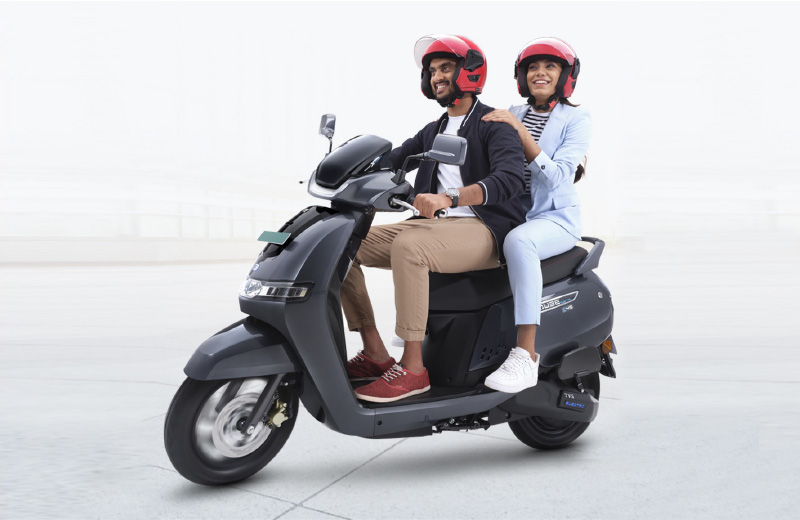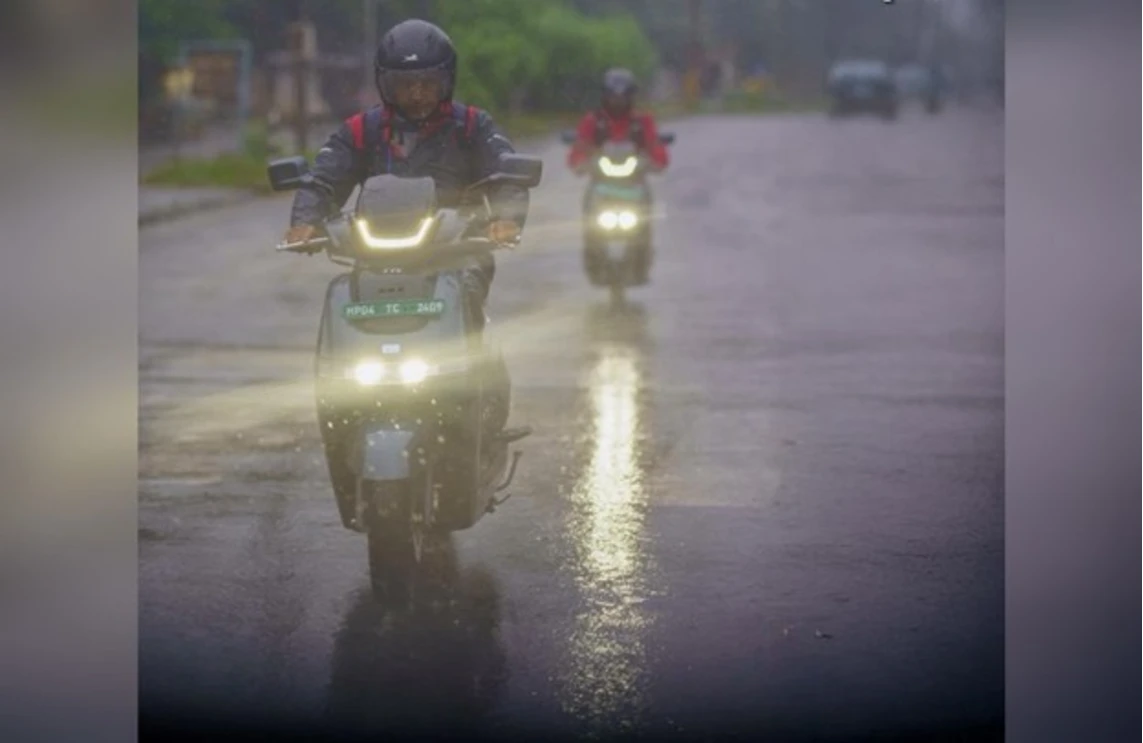
The monsoon brings much-needed relief from the heat, but it also introduces new challenges for electric scooter owners. Increased humidity, waterlogged roads, and sudden downpours can affect the performance and longevity of your electric scooter battery if proper care isn’t taken.
With smart riding and maintenance habits, you can ensure that your scooter continues to perform efficiently throughout the rainy season. If you ride an electric scooter like the TVS iQube, following some simple tips can help keep your battery healthy and dependable during the monsoon months.
Why Monsoon Care Is Important for the Battery of an Electric Scooter?
The battery of an electric scooter is its most critical component. During the monsoons, high moisture levels and temperature variations can impact battery efficiency, electrical connections, and overall performance. Prolonged exposure to water or damp conditions may lead to corrosion, reduced charging efficiency, or long-term battery degradation.
This is why focused EV battery maintenance during the rainy season is essential. Taking preventive measures not only improves safety but also helps extend battery life and maintain a consistent riding range.
● Avoid Water Exposure and Flooded Roads
While electric scooters like the TVS iQube are designed to handle everyday Indian road conditions, riding through deep water or flooded streets should be avoided whenever possible. Water entering sensitive electrical components or charging ports can impact the electric scooter battery over time.
During heavy rainfall, it is best to take alternative routes, slow down on wet roads, and avoid riding through stagnant water. Being cautious during rides goes a long way in protecting the battery of your electric scooter and ensuring uninterrupted performance.
● Charge Smartly During the Monsoon
Charging habits play a crucial role in maintaining the best battery life for an electric scooter. Always charge your scooter in a dry, well-covered area away from rain and moisture. If you’ve ridden through wet conditions, allow the scooter to dry completely before plugging it in.
Using only manufacturer-recommended chargers is also essential, as they are designed to ensure safe and efficient charging. Smart charging practices not only improve safety but also support effective electric scooter battery maintenance during the monsoon.
● Clean and Dry Your Scooter Regularly
Regular cleaning helps prevent dirt, mud, and moisture buildup that can affect the electrical components of your scooter. Use a soft cloth to wipe down the scooter after riding in the rain, paying attention to areas around the battery housing. Avoid using high-pressure water jets near battery compartments or wiring, as this may force water into sensitive areas. Keeping your scooter clean and dry contributes directly to better electric scooter battery maintenance and long-term reliability.
● Store the Scooter Properly During Heavy Rains
Proper storage is often overlooked but is extremely important during the monsoon. Park your scooter in a covered, dry, and well-ventilated area whenever possible. Avoid leaving it exposed to rain or in damp basements for long durations.
If the scooter won’t be used for several days, ensure that the battery is maintained at an optimal charge level rather than being fully drained. Correct storage habits help protect the battery of an electric scooter from moisture-related issues.
Book Now!
Follow Manufacturer-Recommended Service Checks
Regular servicing becomes even more important during and after the monsoon season. Authorised service checks help identify early signs of moisture damage, corrosion, or electrical issues. With electric scooters, scheduled maintenance and professional inspections ensure that the electric scooter battery and related systems remain in optimal condition. Trusting authorised service support adds an extra layer of protection and peace of mind.
Monsoon riding does not have to be a challenge if your electric scooter battery is cared for properly. By avoiding excessive water exposure, charging smartly, cleaning regularly, and following recommended service schedules, you can enjoy smooth and reliable performance even during the rainy season.
FAQs
1. Is it safe to ride my electric scooter during the monsoon season?
Yes. You can ride your electric scooter in light to moderate rain. However, make sure that you avoid flooded roads, ride with caution, and follow recommended battery care during the monsoon.
2. Do I need to wait to charge my electric scooter after riding in the rain?
Yes. It is best to wait until your electric scooter is completely dry before you charge it. Charging when wet may impact long-term battery health and electrical safety.
3. Is it okay to wash my electric scooter during the rainy season?
Yes. However, while washing, make sure that you avoid using high-pressure water jets near the battery compartment, wiring, or charging port. Additionally, you should also wipe your scooter down with a soft cloth after every ride in the rainy season.
4. What extra steps should I take to maintain my electric scooter battery during the monsoon season?
Avoid exposure to water, follow smart charging practices, clean and dry your scooter regularly, and follow the manufacturer-recommended service schedule. When storing, ensure that you park in a covered, dry, and well-ventilated area and when the scooter is not in use, make sure that the battery is maintained at an optimal charge level.
Also, read the related blog:
TVS iQube S: How TVS iQube S Owners Maintain Their Rides
How to Choose the Best Electric Scooter Based on Your City’s Traffic?
Tips to Improve the Range of Your TVS iQube Electric Scooter
—-----------------------------------------------------------------------------------------------------------